Struggling with PVC molding defects like flash and sticking? Finding the right machine can feel complex. I'll show you how to select one that solves these issues for good.
To choose the right PVC molding machine, focus on key features. You need a specialized, corrosion-resistant screw and barrel[^1]. Also, ensure precise multi-stage temperature control[^2] and select a machine with a shot size[^3] about 20% larger than you'd need for standard plastics.
That's the quick answer. But there is a lot more to it. Getting this decision right can make or break your production line. Let's dive into the details so you can make a choice with total confidence and avoid costly mistakes down the road.
What Are the Common Problems When Molding PVC?
Are you tired of dealing with flash, sticking parts, and inconsistent quality? PVC molding can be tricky. I've seen these issues firsthand, and they directly hurt your bottom line.
Common PVC molding problems include flash (burrs), parts sticking in the mold, and inconsistent wall thickness. These are often caused by improper temperature control or using a machine not designed for PVC's unique corrosive and viscous properties. It's a recipe for headaches and scrap parts.
I've been in this business for a long time, and I can tell you that PVC is a unique material. You can't just use any standard machine and expect good results. I remember visiting a factory where they were trying to produce PVC pipe fittings on a general-purpose machine. Their scrap rate was over 30%. The parts were soft, had terrible flash, and often got stuck in the mold, forcing them to stop production constantly. They were losing time and money every single hour. The root cause wasn't their team or their mold; it was the machine. It simply wasn't built to handle the specific demands of PVC. This is a story I see repeated far too often. Understanding these common failures is the first step to preventing them.
Common PVC Molding Faults & Causes
| Problem | Description | Common Cause on a Non-Specialized Machine |
|---|---|---|
| Flash (Burrs) | Excess material seeps out of the mold cavity. | Poor temperature control leads to low viscosity; inadequate clamping force. |
| Sticking in Mold | The finished part is difficult or impossible to eject. | Material overheating and degrading; improper mold surface or lack of air-ejection. |
| Thick/Uneven Walls | The part's wall thickness is inconsistent. | Incorrect screw design fails to homogenize the melt; unstable injection pressure. |
| Long Cooling Times | The part takes too long to solidify in the mold. | Inefficient mold cooling channels; material stays too hot due to poor barrel temp control. |
What Should You Look For in a Dedicated PVC Injection Machine?
Choosing a standard machine for PVC is a recipe for disaster. It leads to constant breakdowns and poor-quality parts. I'll show you the specific features a real PVC machine must have.
A proper PVC machine must have a special screw and barrel, often chrome-plated or bimetallic[^4], to resist corrosion. It also needs precise multi-stage temperature control[^2] for the barrel, an enlarged nozzle, and often a core-pulling function[^5] for making complex parts like pipe fittings.

When you process PVC, it releases hydrochloric acid gas at high temperatures. This gas is extremely corrosive. If you use a standard screw and barrel, it will get eaten away in a matter of months. I've seen it happen. That's why a dedicated PVC machine is not a luxury; it's a necessity. The injection unit is the heart of the machine, and for PVC, it needs to be armored. Beyond corrosion resistance, precision control is everything. PVC has a very narrow processing window. A few degrees too hot, and it burns. A few degrees too cold, and it won't flow properly. This is why multi-stage heating, controlled by a reliable PLC, is non-negotiable. It allows you to create a precise temperature profile along the barrel, gently melting the material without degrading it.
Key Features of a True PVC Machine
| Feature | Why It's Essential for PVC |
|---|---|
| Specialized Screw & Barrel | Chrome-plated or bimetallic materials prevent corrosion from acidic gas released by PVC. The screw design is also optimized for PVC's viscosity. |
| Multi-Stage Temp Control | Allows for precise heating zones along the barrel, preventing PVC from burning or being improperly melted. Often includes barrel cooling fans. |
| Core-Pulling System | Hydraulic circuits and software control are needed to operate the moving cores in molds for products like pipe fittings and valves. |
| Enlarged Nozzle | A wider nozzle opening helps reduce shear heat and pressure, preventing material degradation right before it enters the mold. |
| Air Ejection Function | Provides an extra push with compressed air to help eject complex or sticky parts from the mold, reducing cycle time and preventing damage. |
How Do You Choose the Correct Machine Size for PVC?
Picking the wrong machine size either wastes energy and money or, even worse, it can't make your part correctly. Let's get the calculation right for PVC's specific needs to ensure success.
To correctly size a PVC machine, first calculate your total shot weight (part + runner). Then, choose a machine with a theoretical shot size[^6]e](https://www.youtube.com/watch?v=MRHHJEPm0ZM)[^3] that is at least 20% larger than your calculated need. This buffer is crucial for handling PVC's properties.
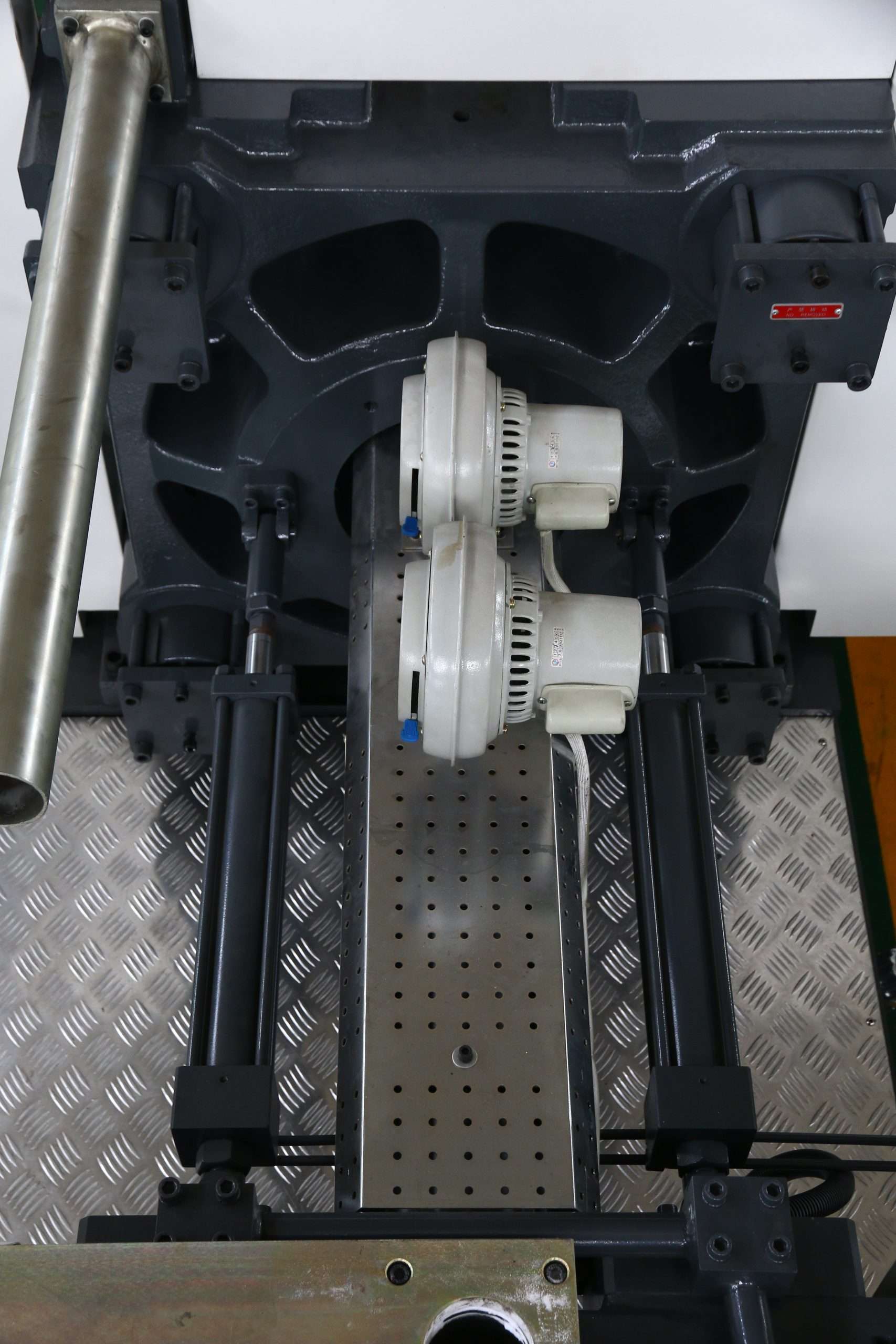
This "20% rule" is something I always stress with my clients. It's a simple but critical guideline. PVC is denser and has a higher viscosity than common plastics like PP or PE. This means it's "heavier" for the machine to push. If you choose a machine where your shot size[^3] is 95% of the machine's maximum capacity, the screw will have to work too hard. It will generate excess friction and heat, which can burn the PVC. By giving yourself a 20% buffer, you ensure the machine operates comfortably within its ideal range. This results in a more stable process, better part quality, and a longer life for the machine's components, especially the screw and barrel. It’s a small step in planning that prevents huge headaches in production.
A Practical Sizing Example
Let's say you want to produce a PVC fitting.
- Weigh Your Product: The PVC fitting itself weighs 400g.
- Weigh the Runner: The runner system from the mold weighs 50g.
- Calculate Total Shot Weight: 400g (part) + 50g (runner) = 450g.
- Apply the 20% PVC Rule: 450g * 1.20 = 540g.
In this case, you should not look for a machine with a 450g shot capacity. You need to find a machine with a theoretical shot size[^6]e](https://www.youtube.com/watch?v=MRHHJEPm0ZM)[^3] of at least 540g to run the process smoothly and reliably. This ensures you are not pushing the machine to its absolute limit, which is key for stable, long-term production of high-quality PVC parts.
Why Trust Our Engineers with Your PVC Machine Needs?
You need more than just a machine; you need a reliable partner. Buying from a supplier without deep PVC experience is a huge risk that can cost you dearly in the long run.
Our lead engineers have over 15 years of dedicated experience specifically with PVC. This means we don't just sell machines; we provide robust, customized solutions[^7] that are proven to handle the specific challenges of PVC molding, from material corrosion to complex part designs.
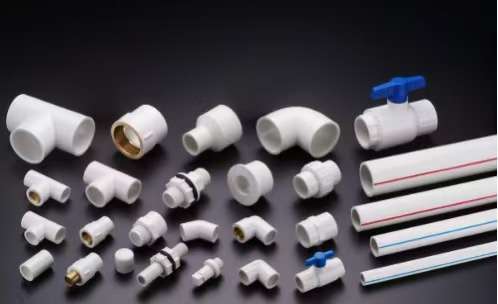
I remember a client from Brazil who was struggling. They bought a machine from another supplier, and it just couldn't produce their specific PVC valves without defects. The supplier had no answers. We sent one of our senior engineers, a man who has lived and breathed PVC for over a decade. He identified that the screw design was wrong for their material blend and the hydraulic system couldn't support the core-pull sequence they needed. We built them a machine with a custom screw and a modified hydraulic circuit. Their production became stable within a week of installation. This is what experience brings. It's not about selling a box; it's about understanding the customer's product and process down to the smallest detail. Our machines are already running in tough environments across South America and Southeast Asia, all CE and NR12 certified[^8], proving their reliability where it counts: on the factory floor.
More Than a Machine, A Partnership
Our technical strength is your production advantage.
- Deep Customization: We don't believe in one-size-fits-all. We will work with you to modify the electrical, hydraulic, and control systems to perfectly match your mold and PVC material requirements.
- Proven Expertise: With engineers who have 15+ years of focus on PVC, we have already solved the problems you are facing. We build solutions, not just machines.
- Global Trust: Our machines are certified for international safety standards (CE, NR12) and have earned a reputation for durability and performance in demanding markets worldwide.
Conclusion
Choosing the right PVC machine means focusing on specialized components, sizing it correctly with a 20% buffer, and partnering with an experienced expert[^9]. This ensures efficient and high-quality production.
[^1]: Learn how corrosion-resistant components can enhance the longevity and performance of your PVC molding machine. [^2]: Explore how precise temperature control can prevent defects and improve the quality of PVC parts. [^3]: Get insights on shot size calculations to ensure optimal machine performance and part quality. [^4]: Understand the advantages of specialized materials for enhancing machine durability in PVC applications. [^5]: Learn how core-pulling systems can facilitate the production of complex PVC parts. [^6]: Get guidance on calculating theoretical shot sizes to ensure efficient machine operation. [^7]: Learn how tailored solutions can address specific challenges in PVC production. [^8]: Understand the significance of certifications in ensuring safety and reliability in PVC manufacturing. [^9]: Learn how expertise can lead to better machine selection and improved production outcomes.