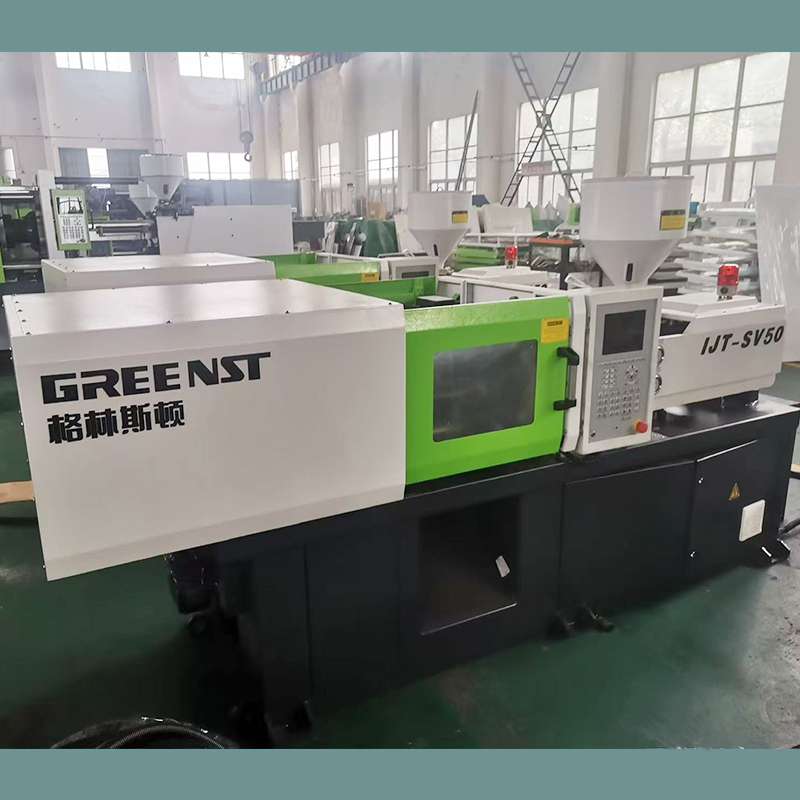
As a new user who has just started to use the injection molding machine, how to repair and maintain the machine is a big problem for them. Now we provide some very practical maintenance methods for these users:
- Table of Contents hide
Inspection of Fasteners: Check all ejector pins, cylinders, press plates, and couplings for loose or missing screws.
Hydraulic Fluid Levels
: Ensure the oil level in the machine is above the centerline and that the oil quality is good, with normal oil temperature (optimal between 30-45°C, usable between 5-55°C).Leaks and Blockages: Inspect all parts of the hydraulic and water circuits for leaks or blockages in cylinders, hoses, and working seal connections.
Lubrication Points: Check that all lubrication points, oil pipes, and centralized lubrication tanks have sufficient lubricating oil and that lubrication is functioning correctly, with no breaks or blockages.
Electrical Panel Inspection: Look for any unusual odors, sounds, overheating components, burnt wires, loose connections, or dust and foreign objects in the electrical panel.
Ventilation and Filtration
: Ensure that all ventilation and filtration devices in the electrical panel are working properly and that heat dissipation is adequate.Mechanical Noises and Overheating: Check for abnormal noises or overheating in all parts of the machine (main motor, mold release motor, oil motor, oil pump, hydraulic cylinders, and mechanical transmission parts), ensuring good lubrication and heat dissipation.
Machine Movements: Check that all movements (switching, core pulling, nozzle advance and retreat, base advance and retreat, injection, pre-forming, rubber demolding, mold adjustment, etc.) have appropriate pressure, speed, position, and timing, and that movements are not slow, violently colliding, or unreliable.
Safety Devices: Verify that all safety protection devices on the machine are working effectively and are in proper use (adjust mechanical safety bars each time the model is changed).
Thermocouples and Heating Rings
: Check that thermocouples and heating rings are functioning correctly.Platform Displacement: Inspect whether there is any displacement on the machine platforms.
Hose and Seal Condition: Examine the condition of hydraulic hoses and seals for wear and tear, ensuring they are not damaged or leaking.
Filter Maintenance: Clean or replace filters as necessary to maintain fluid cleanliness and system performance.
Hydraulic Valve Function: Inspect the functionality of hydraulic valves for any signs of leakage or malfunction.
Electrical Motor Health: Check the health of the servo motors, ensuring they are clean, well-lubricated, and free from damage.
Control System Calibration: Perform calibration checks on the control system to ensure accurate machine operation.
Heating Elements: Inspect heating elements for any signs of damage or wear that could affect temperature control.
Machine Cleanliness: Keep the machine clean, removing any debris that could affect performance or cause damage.
Regular Maintenance Records: Keep detailed records of all maintenance activities to track the machine’s condition and plan for future maintenance needs.
This checklist should help in maintaining the performance and longevity of your servo injection molding machine during the winter season.