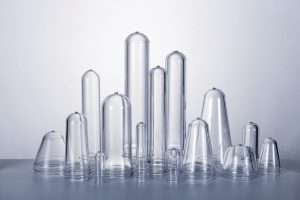
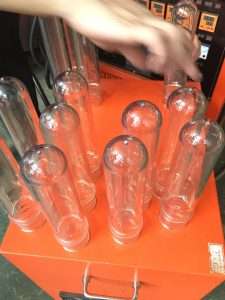
Plastic bottles surround us, and PET preforms are their starting point. The demand for these preforms is always high, but producing them efficiently can be a challenge. Are you struggling with slow cycles or high energy costs?
A PET preform injection molding machine uses specialized designs to create lightweight, high-quality plastic preforms quickly and efficiently, optimizing production for the beverage and packaging industries by focusing on rapid cycle times and precise material handling.
At our factory, we have seen how these machines change things for our customers. From initial setup to full production, the right machinery and support can make all the difference. Let me share how we approach these challenges and opportunities.
Can AI Revolutionize Your Injection Molding Process?
Are you losing sleep over production errors or unpredictable machine downtime? The constant pressure to improve quality and lower costs can feel overwhelming.
AI in injection molding uses smart algorithms to monitor, analyze, and optimize every part of the production process, leading to better product quality, less waste, and more efficient machine operation.
I remember one customer who struggled with inconsistent part quality. They had many defects. We talked about how AI could help. AI tools can predict problems before they happen. They use data from the machine. This means less unplanned stopping. For example, AI can learn how temperature changes affect the final product. It can then suggest small adjustments in real time. This keeps quality high. My team has seen firsthand how AI helps operators. It gives them clear information. This helps them make faster and better decisions. AI also helps with machine maintenance. It can tell you when a part might fail. This allows for planned repairs, not emergency stops. This kind of smart system can be built into newer machines. It can also be added to existing ones. This depends on the machine's features. We always look for ways to make our machines smarter. We want our customers to get the most out of their investment. This is why we are always looking into new technologies, like AI, to bring more value.
How Do Energy-Saving Injection Molding Machines Boost Your Profit?
Are your electricity bills eating into your profit margins? The cost of running traditional injection molding machines can be surprisingly high.
Energy-saving injection molding machines, especially those with servo-driven systems, significantly reduce power consumption by only using energy when needed, leading to lower operating costs and a better return on investment for businesses.
When I started in this business, many machines ran at full power all the time. This wasted a lot of energy. Now, things are different. Servo motors are a big reason why. These motors adjust their power use. They only use what is needed for each part of the cycle. For example, when the mold is closed and holding, a servo motor uses very little energy. A traditional motor would still run at high power. This difference adds up fast. My colleagues and I have helped many customers switch to servo machines. They often tell us about the big drop in their electricity bills. This saves them a lot of money every month. This money can then be used for other parts of their business. It might go to new products or hiring more staff. We build many servo injection molding machines. We know they are good for the environment and for our customers' wallets. We aim to help our clients save money. This is an important part of our business.
Is Recycled Plastic Injection Molding a Smart Move?
Are you facing pressure to use more sustainable materials but worry about quality or process changes? Working with recycled plastics can seem complex.
Recycled plastic injection molding allows manufacturers to use post-consumer or post-industrial waste materials, reducing environmental impact while still producing quality products, though it often requires specific machine settings and material handling techniques.
I often talk with customers about using recycled materials. Many want to do it, but they have questions. They ask if the quality will be the same. They also ask if our machines can handle it. My answer is usually yes, but with some care. Recycled plastics can have different properties. For instance, some recycled PET might be less strong than virgin PET. It might also have small impurities. Our machines are built to be flexible. This helps when working with varied materials. We can adjust settings like melt temperature, injection pressure, and screw speed. These adjustments are key. They help ensure the material flows correctly and fills the mold well. I remember one customer wanted to make new products from recycled plastic bottles. We worked closely with them. We helped them find the right machine settings. We also advised them on material handling. Using recycled plastic helps the planet. It can also open new markets for companies. We see more and more companies moving this way. This is a good trend. We are ready to support it with our machines and our knowledge.
How Do EU Rules and Biodegradable Materials Change Molding?
Are you trying to keep up with new environmental laws, like those from the EU, and thinking about using biodegradable materials? These changes can feel like a moving target.
New EU rules and the push for biodegradable materials are changing the injection molding industry by demanding more sustainable practices and innovative material processing, requiring companies to adapt their machines and production strategies.
The world is changing fast, especially when it comes to plastics. I have seen how new rules, like those from the European Union, push companies to think differently. These rules often focus on reducing plastic waste. They also push for using materials that break down naturally. This means companies need to look at biodegradable materials. These materials are different from traditional plastics. They might need lower processing temperatures. They might also need different cooling times. For example, materials like PLA (polylactic acid) are becoming more popular. But molding PLA is not the same as molding PET. My team and I often work with customers who want to use these new materials. We help them understand what machine changes might be needed. Sometimes it is a specific screw design. Sometimes it is about controlling the barrel temperature more precisely. We aim to make our machines able to handle these new materials. This helps our customers stay ahead. It also helps them follow new laws. It is a challenge, but also a chance to make better products. We believe that being able to process these new materials is very important for the future of our industry.
Why Is a High-Speed Mold Critical for PET Preforms?
Are your PET preform production cycles too slow, limiting your output and competitive edge? Cycle time is everything in this fast-paced industry.
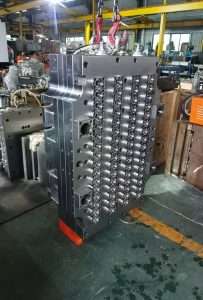
A high-speed mold is critical for PET preform production because it reduces cycle times significantly through efficient cooling channels and robust design, allowing for much higher output rates and better overall production efficiency.
When we talk about PET preform machines, the machine itself is only half the story. The mold is just as important. I tell our customers this all the time. A high-quality, high-speed mold can make a huge difference. Think about it: a machine can be very fast, but if the mold takes too long to cool the part, you lose all that speed. A good mold for PET preforms has very efficient cooling. This means water channels are placed exactly where they need to be. This takes heat away from the preform quickly. My experience has shown me that even a few seconds saved per cycle adds up to millions of preforms over a year. This makes a big impact on profit. My team often works with mold makers. We make sure our machines and their molds work perfectly together. This includes designing the machine to handle quick mold changes. It also means making sure the clamping force is just right. A good mold also lasts longer. It needs less maintenance. This means less downtime. Investing in a quality mold is investing in future production success. This is a lesson I have learned many times.
What Makes a Turnkey Injection Molding Project Your Best Bet?
Are you planning a new production line and feel overwhelmed by coordinating many different suppliers? Setting up a full factory can be a huge task.
A turnkey injection molding project provides a complete, ready-to-operate solution, handling everything from machine selection and auxiliary equipment to installation and training, simplifying the setup process for manufacturers.
Many years ago, I helped a customer in Africa set up their first plastic factory. They had never done this before. They needed machines, molds, and all the helper equipment. They also needed training. Trying to get all these pieces from different suppliers would have been very hard. This is where a turnkey project shines. We take care of everything. This includes the injection molding machine, the robot to take out parts, the chiller for cooling, the loader for material, and the crusher for waste. We even help with the mold design if needed. My team makes sure all these parts work well together. We install everything. We then train your staff. I remember seeing the relief on that customer's face when their first preform came out. They knew they had a full working system, not just a box of parts. This approach saves time and reduces stress. It means you can start making products faster. It also means you only have one main contact. This makes problem-solving much easier. We believe in providing solutions, not just machines.
Conclusion
The world of injection molding is always changing, with new tech, materials, and rules. We help customers find the right machines and solutions for all their plastic needs.