Choosing the right injection molding machine for plastic crates can be overwhelming. With the vast array of options available, it's easy to feel lost. The problem arises when businesses end up with machines that either underperform or waste resources. So, how do you find the right balance that maximizes efficiency while minimizing costs?
When selecting an injection molding machine for plastic crates, aim for a machine that meets both your production needs and energy efficiency requirements. A 1000-ton machine is often ideal for standard crate sizes without incurring excess costs or energy consumption.
To help you with your decision, let’s delve into the crucial factors to consider when choosing an injection molding machine specifically for plastic crates.
What Size Injection Molding Machine Do You Need?
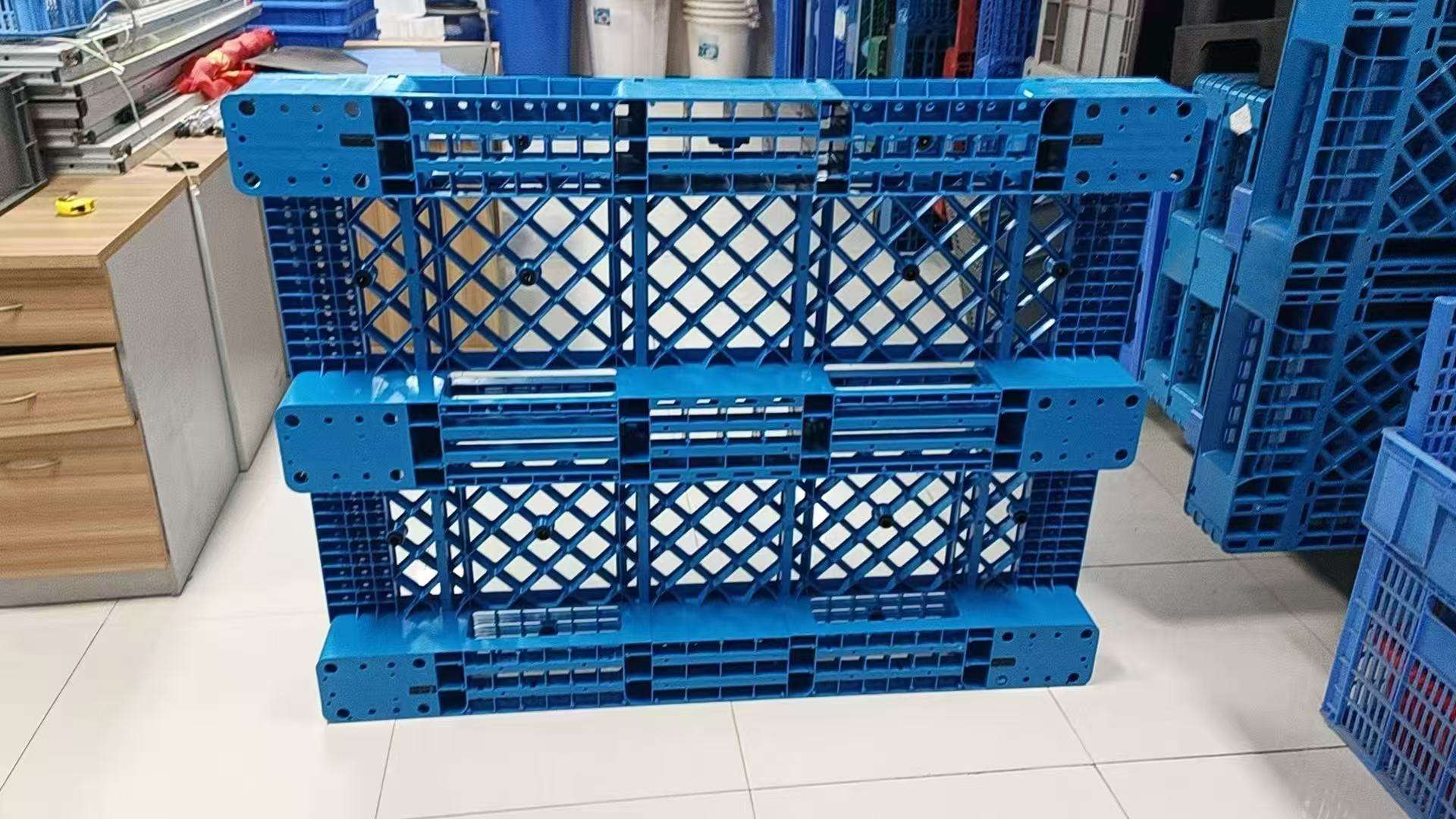
Finding the right size for your injection molding machine is essential, especially for plastic crates like the 600×400, 800×600, and 1200×800 standards.
When you end up with a machine that’s either too small or too large, you can face a slew of problems. A 1000-ton machine typically hits the sweet spot. It provides ample output without generating excessive flash due to underperformance or wasting resources from over-specification.
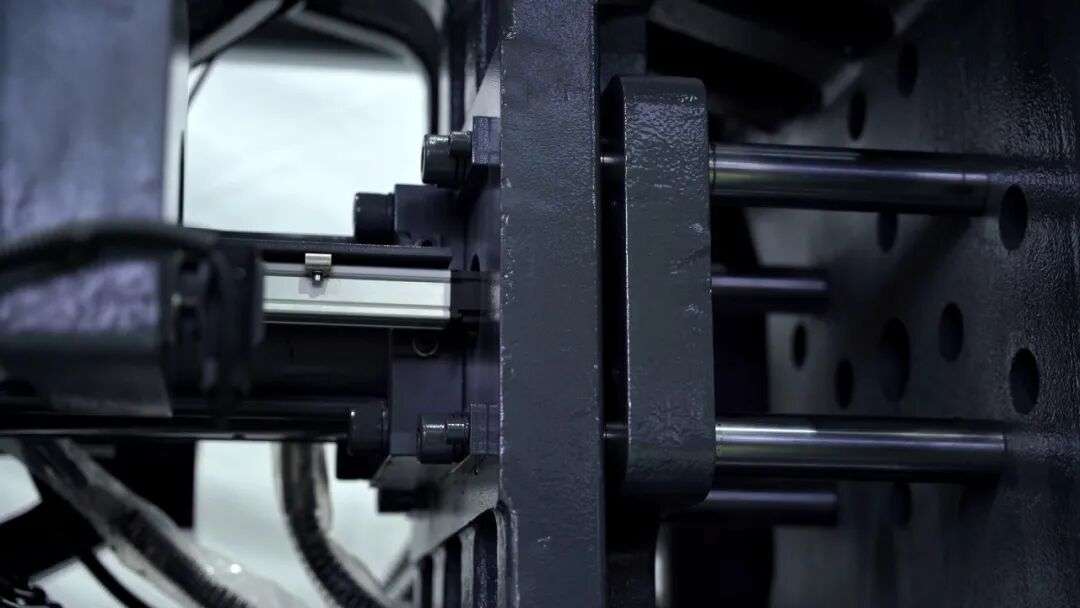
Having a well-sized machine ensures that you avoid common inefficiencies. You can focus on what you do best: producing high-quality plastic crates that meet market demands.
Why Is Shot Weight and Plastification Capacity Important?
Many buyers focus primarily on clamp force, completely overlooking shot weight and plastification capacity. This is a significant oversight.
For instance, a typical 1000-ton machine has a theoretical shot weight of about 2800 to 5300 grams. It’s essential to keep your actual product weight, including the runner, between 50% and 75% of the rated shot weight. If you don’t, you may run into prolonged cycle times and inefficiencies.
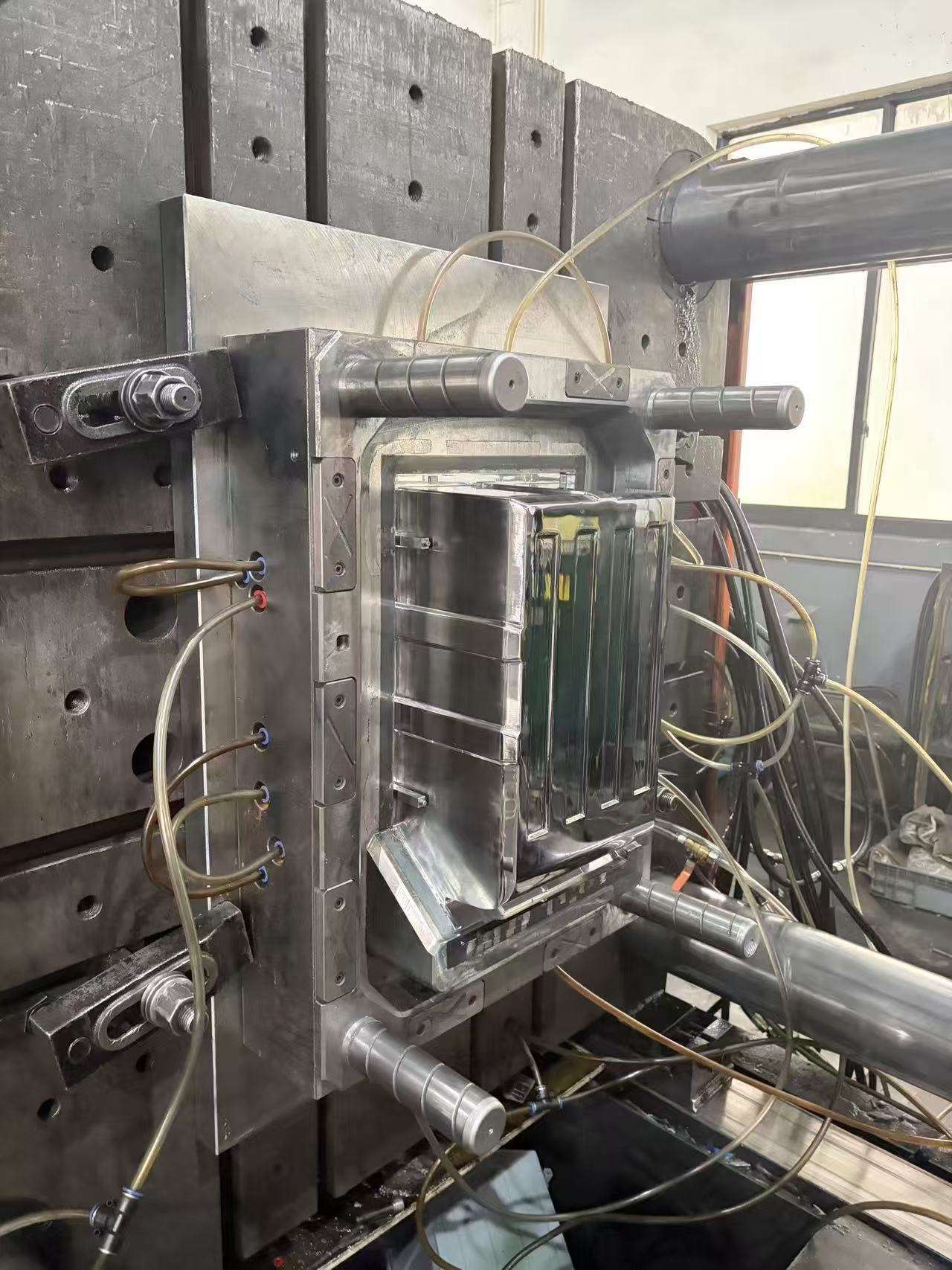
To help you avoid issues:
- Ensure the screw diameter and L/D ratio are matched to your cycle requirements.
- This way, you’ll prevent common stall issues that can lead to significant production delays.
Is Servo Energy Efficiency Necessary?
In today’s market, opting for electrical servo systems is no longer just a preference—it’s becoming standard. Traditional 1000-ton machines using volumetric pump systems can lead to exorbitant energy costs, particularly during high-load operations.
Switching to servo or hybrid power systems can reduce energy consumption by 40% to 60%. Given that plastic crates often have thin profit margins, these savings can directly enhance your bottom line.
Our INJMACHINE line features fully servo-driven energy-efficient machines. The return on investment typically only takes 1 to 1.5 years due to these enhancements.
How to Factor in Mold Compatibility and Future Scalability?
It's vital to consider the compatibility of your molds and the future scalability of your setup. A 1000-ton machine's tie-bar spacing, platen dimensions, and mold thickness will determine your choices for future projects.
When selecting a machine, it's wise to choose one with a bit of extra capacity. Aim for an additional 10-15% in key measurements, so you can easily swap in larger sizes or dual-cavity molds down the road. This proactive approach can save you from a costly upgrade sooner than expected.
How Can Automation Enhance Your Production?
As you move up to a 1000-ton machine, you open yourself up to the possibility of fully automated production lines. This includes using robotic arms for part removal, conveyors for transport, and stackers for final product arrangement.
Before purchasing your machine, it’s crucial to check for:
- Adequate space for robotic arm installation.
- Sufficient signal interfaces.
- Proper safety door dimensions.
If overlooked, these factors can result in significant additional costs during automation modifications. Our team at INJMACHINE always consults our clients regarding their automation needs in advance. We can provide a complete turnkey solution, ensuring that we fully meet your expectations.
Why Are Wear and Recyclable Material Configurations Necessary?
Considering that many plastic crates are manufactured using recycled PP/HDPE, it is vital to select machines equipped with enhanced wear-resistant configurations.
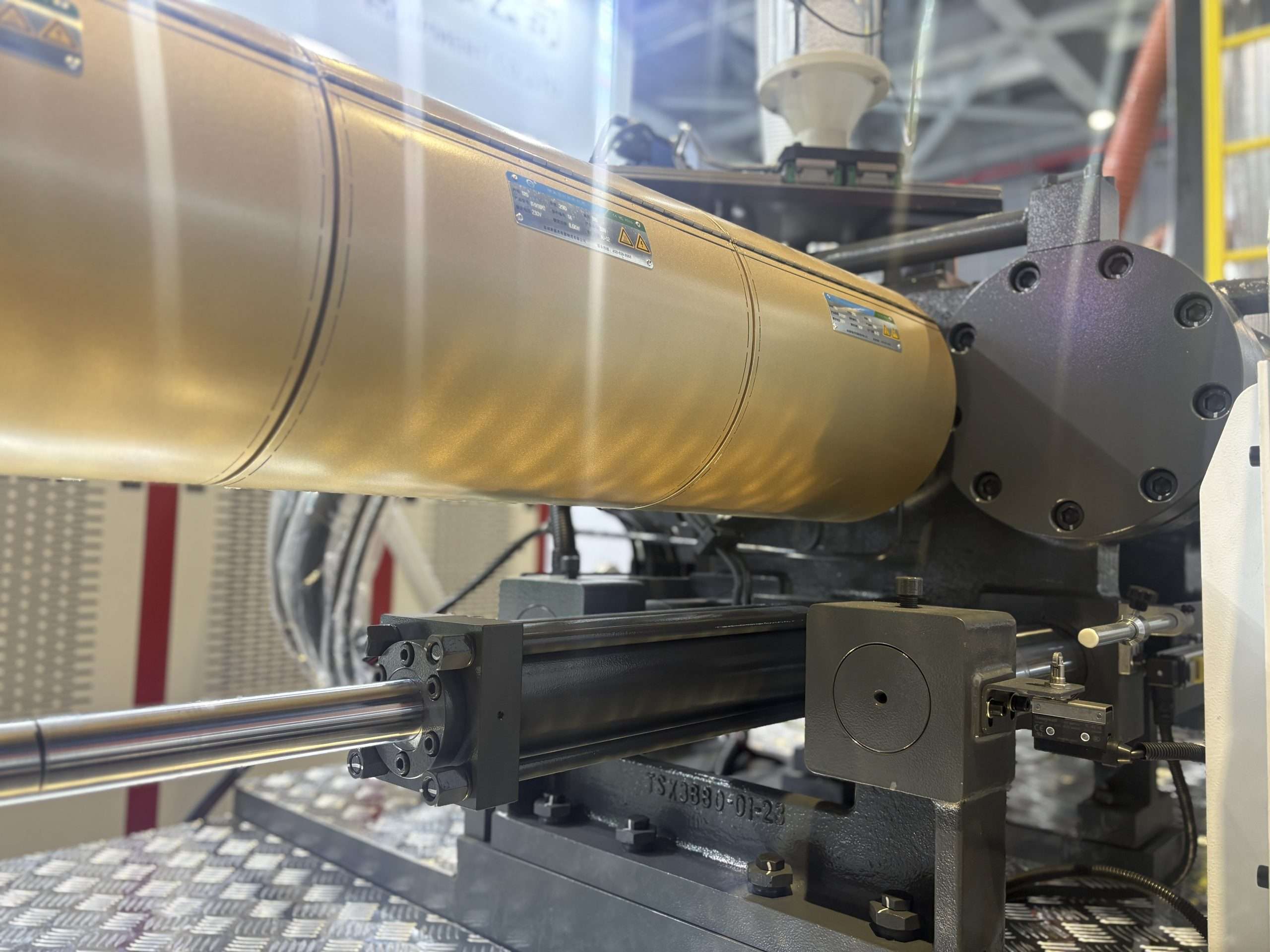
For 1000-ton machines, we highly recommend standardizing with dual-alloy screw barrels and reinforced check rings. The reason? The wear from recycled materials is far greater than that of virgin materials. Without these enhancements, you could see a decline in plastification efficiency within just 1 to 2 years.
How Important is After-Sales Support?
Finally, let’s talk about after-sales service. For a 1000-ton injection molding machine, any malfunction can lead to significant downtime and losses. Thus, having a robust local service network and rapid spare parts supply is crucial.
Many customers report that while several machines might show similar performance, it’s the quickness and quality of service that sets them apart. At INJMACHINE, we offer 24/7 customer service, ensuring a response within 4 hours. Additionally, we provide video support and free part replacements during the warranty period, so you can keep your production running smoothly.
Frequently Asked Questions
What factors should I consider when choosing an injection molding machine?
Consider size, shot weight, energy efficiency, automation capabilities, mold compatibility, wear resistance, and after-sales service.
How important is the machine size for my production needs?
Machine size directly affects production efficiency. A well-sized machine helps prevent issues like flash and energy wastage.
Why does shot weight matter more than clamp force when selecting a machine?
Shot weight fundamentally determines your production capacity and efficiency. Choosing the right shot weight ensures optimal machine performance.
What is the benefit of using a servo-driven injection molding machine?
Servo-driven machines offer substantial energy savings (up to 60%), which can translate to significant cost reductions over time, enhancing profitability.
How can automation improve my production efficiency?
Automation allows for streamlined processes, reducing manual interventions, and accelerating production cycles, leading to more substantial output and reduced labor costs.
Conclusion
Choosing the right injection molding machine for plastic crates is a critical decision that can shape your production's success. A 1000-ton machine often strikes a perfect balance between efficiency, size, and capability. Remember to consider shot weight, energy efficiency, and automation potential, along with strong after-sales support. It’s about optimizing your operations to maximize profits while maintaining quality. If you're looking for a reliable partner in this journey, feel free to contact us at INJMACHINE. We are here to help you succeed!