Struggling with complex multi-color parts? The extra assembly steps, labor, and costs add up quickly. A three-color injection molding machine combines it all into one efficient, automated process.
A three-color injection molding machine makes parts with three different colors or materials in a single cycle. It uses three independent injection units and a specialized mold, significantly reducing production time, manual labor, and the potential for assembly errors, boosting your overall efficiency.
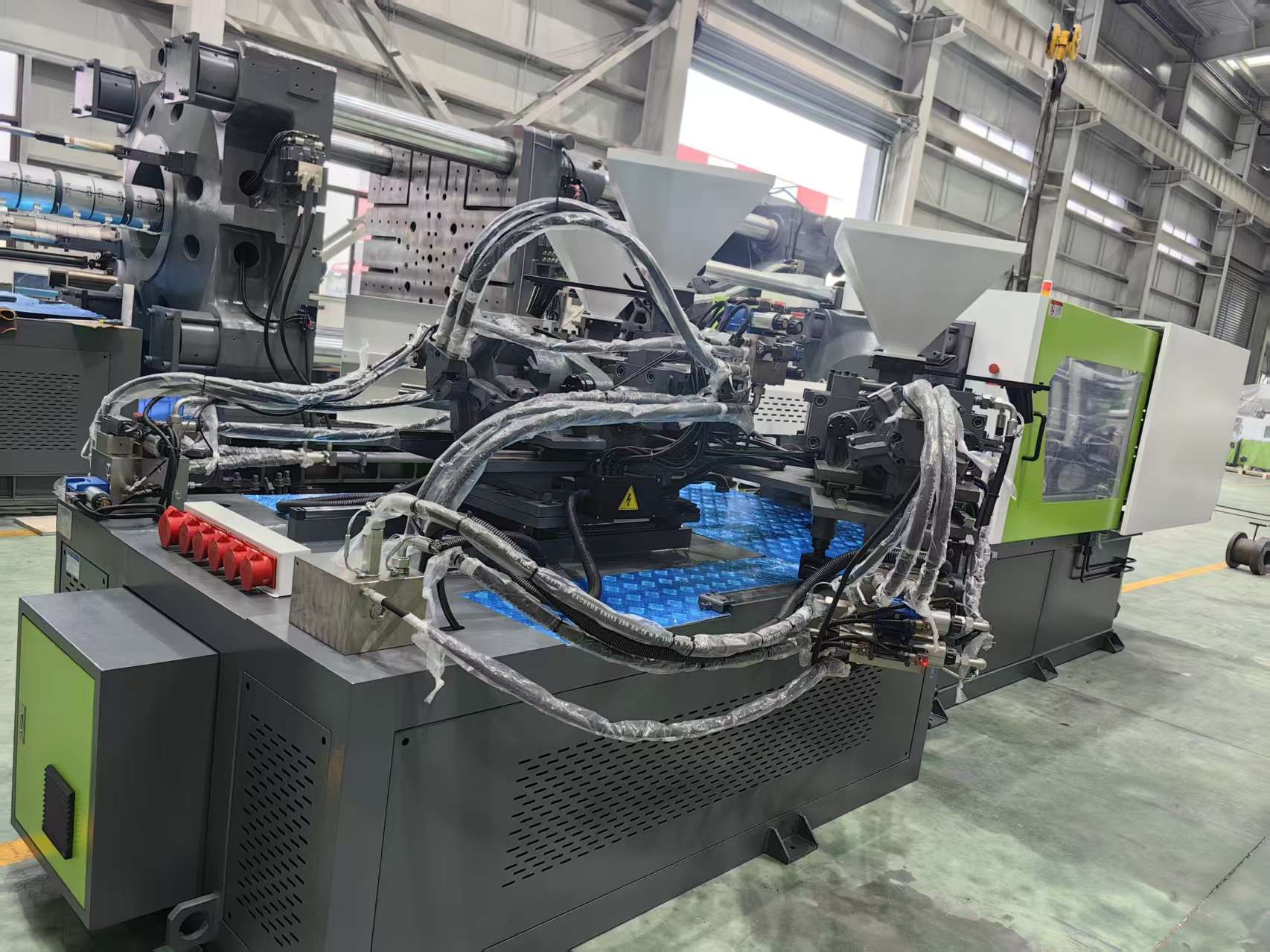
I've been in this industry for over 18 years, and I've seen how much of a difference the right machine can make. You want to produce higher quality parts, faster, and for less money. This technology can help you do that. But there are a lot of names for this machine, which can be confusing. Let's break down what they all mean so you can understand exactly what you're looking for. It's simpler than you think.
What Exactly is a Three Color Injection Molding Machine?
Producing parts with intricate color designs can be a major headache. It often means more work and higher chances of defects. What if you could simplify this entire process?
A three-color injection molding machine is a single piece of equipment that injects three different colors of plastic into a mold during one production cycle. This creates a finished, multi-colored part without needing any extra assembly, saving time and money while improving part quality.

Let's dive a little deeper into how this works. The core of this machine is its three separate injection units. Each unit can hold a different color of the same plastic material. The magic happens with a special mold, often mounted on a rotary table.
The Process Step-by-Step
- First Injection: The first injection unit injects the first color into a cavity in the mold.
- Rotation: The rotary table then turns the mold partway to the next station.
- Second Injection: The second injection unit injects the second color onto or into the first part.
- Rotation Again: The table rotates again.
- Third Injection: The third unit injects the final color to complete the part.
- Ejection: The finished, three-color part is ejected from the machine.
This entire sequence is automated and happens very quickly. Because it's all done in one machine, the bonding between colors is excellent. It removes the need for secondary processes like painting, printing, or manual assembly of different colored pieces. This is a huge advantage for our customers in South America and Southeast Asia who make consumer goods like tool handles, toothbrushes, or electronic casings.
Is a Three Shot Injection Molding Machine the Same Thing?
You hear "three color" and "three shot" used for the same machine. This can be confusing. Does "shot" mean something different? Will you get the wrong machine if you mix them up?
Yes, a three-shot injection molding machine is essentially the same as a three-color machine. The term "shot" refers to a single injection of plastic material. So, "three-shot" simply describes the process of injecting three materials to create one part.
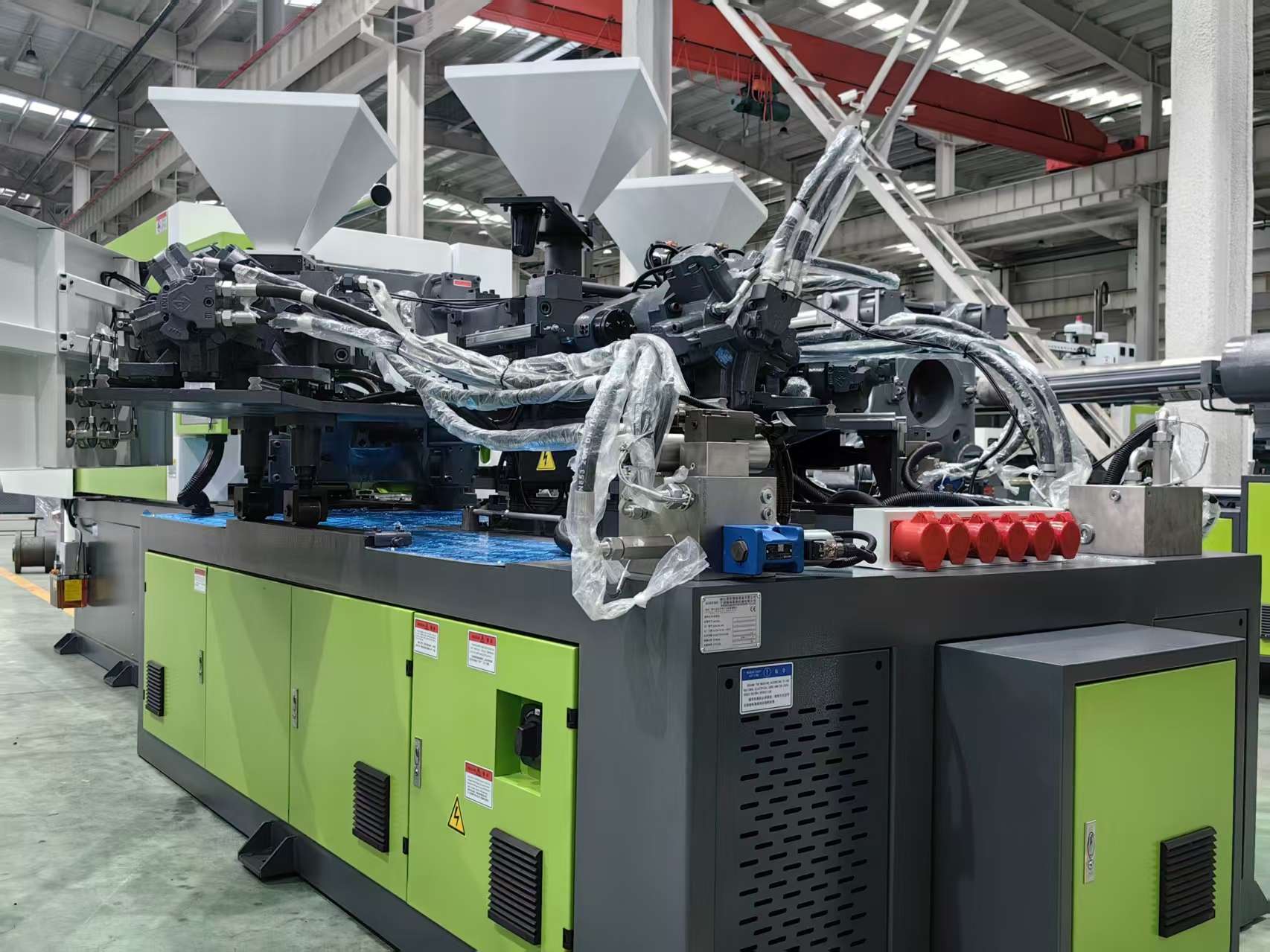
When we talk about injection molding, a "shot" is the complete process of injecting molten plastic into the mold. A three-shot machine is designed to perform this action three times within a single molding cycle. Each shot can be a different material or a different color.
Why the term "Shot" is Important
The term "shot" focuses on the action, while "color" focuses on the result. In our factory, we often use "shot" when discussing the technical aspects with engineers. Here's a breakdown of what that means for performance:
| Aspect | Description | Benefit |
|---|---|---|
| Precision | Each "shot" is precisely controlled by its own injection unit. | Allows for very detailed and complex parts with sharp separation between colors. |
| Speed | The three shots happen in quick succession within one cycle. | Drastically reduces the overall time to produce a finished part compared to separate molding and assembly. |
| Bonding | The second and third shots are injected while the previous material is still hot. | Creates a strong chemical bond between the materials, resulting in a durable, single piece. |
So, whether you call it a three-color or three-shot machine, you're talking about the same powerful technology. We've helped many clients in Mexico and Eastern Europe upgrade to these machines for making automotive buttons and switches, where both the color separation and the part's durability are critical.
Why Do Some People Call it a 3K Injection Molding Machine?
You might see "2K" or "3K" in machine specifications and wonder what it means. It sounds technical and might seem intimidating. Is this some special standard you need to worry about?
"3K" is just industry slang for a three-component machine. The "K" comes from the German word "Komponente," which means component. So, a 3K injection molding machine is one that molds three different components, which can be different colors or different materials.
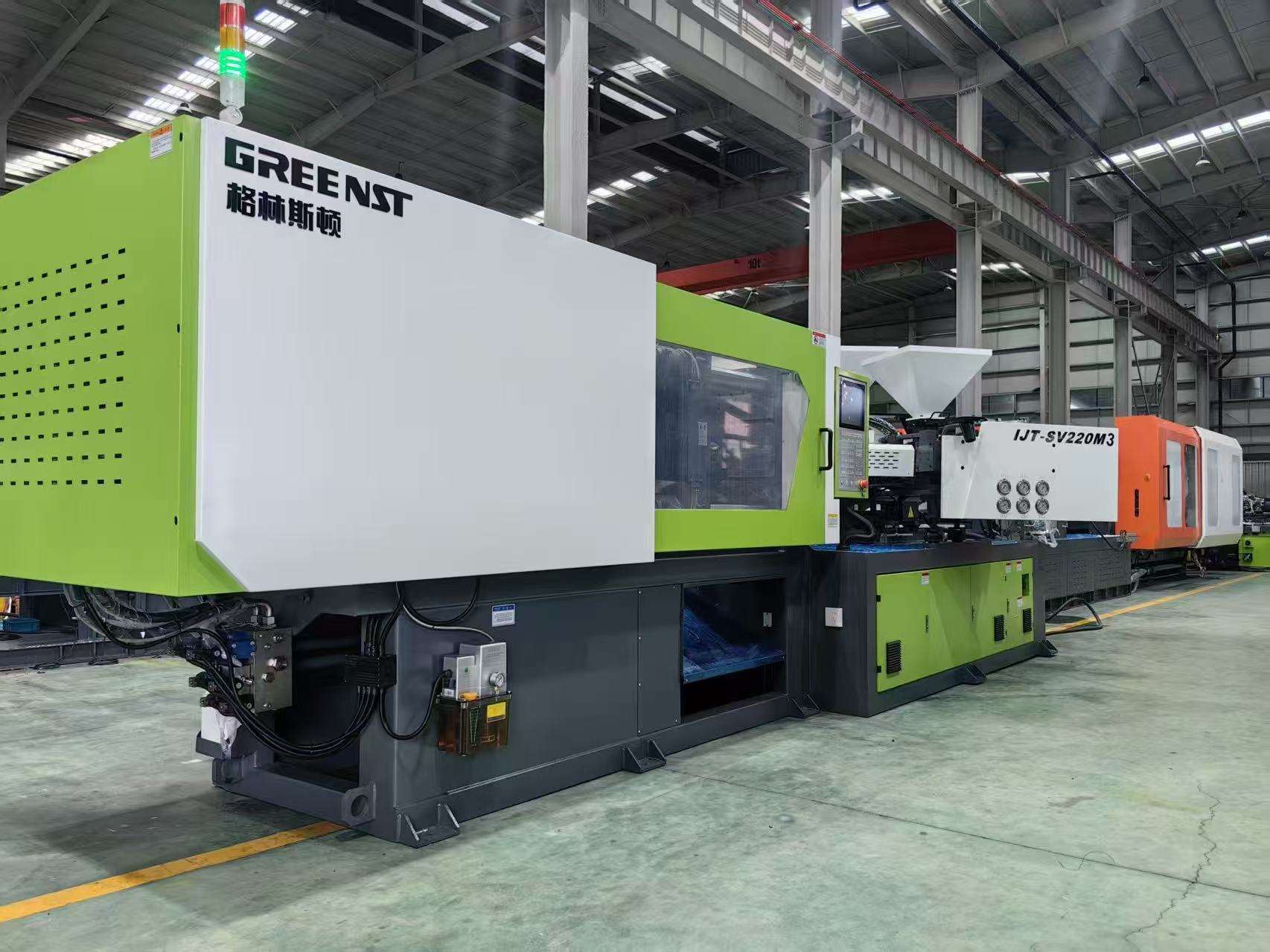
This terminology is very common in the European market and has been adopted worldwide by technical professionals. It's a quick way to describe the machine's capability. When we talk with our partners and distributors, especially in Eastern Europe, using terms like 2K and 3K shows that we understand the technical language of the industry. It's about precision in communication.
Understanding the "K" System
The number simply tells you how many separate materials the machine can handle in one cycle. It's a straightforward system.
| Term | Meaning | Common Application |
|---|---|---|
| 1K | 1-Component | A standard, single-material injection molding machine. Makes solid color parts. |
| 2K | 2-Component | A two-color or two-material machine. Often used for soft-touch grips on hard plastic tools (e.g., PP and TPE). |
| 3K | 3-Component | A three-color or three-material machine. Used for more complex parts like taillight lenses or advanced consumer products. |
This "K" designation is very helpful. It immediately tells a potential buyer the core capability of the machine. When a customer from Africa, for example, asks for a machine to make multi-colored cups, we know a 2K or 3K machine is what they need. It helps us quickly match our machinery to their specific product requirements. It’s not a scary technical term, just a very efficient shorthand.
What Makes a Triple Shot Injection Molding Machine Unique?
The terms can start to blend together. "Three shot," "triple shot"... is there a real difference? It's easy to think it's just marketing language. What is the key feature that makes this work?
A "triple shot" machine is another name for a three-shot machine. Its unique feature is often the use of a rotary platen or a rotary table. This mechanism is what moves the mold between the different injection units, making the multi-shot process possible within one machine.
Think of it like an assembly line, but for molding. Instead of moving the part from machine to machine, we move the mold within one machine. This is where the engineering really shines. The rotary table has to be incredibly precise. It must rotate the mold half to the exact right position, over and over, for thousands of cycles.
The Rotary System Advantage
The rotary mechanism is central to the machine's performance. At our factory in Ningbo, we have focused heavily on perfecting this system. Here's why it is so important:
- Speed and Efficiency: The rotation is much faster than using a robot to transfer a part from one mold to another. The entire cycle, including three injections and rotation, can be as short as 30-60 seconds, depending on the part.
- Accuracy and Consistency: A fixed mechanical rotation ensures the part is perfectly aligned for each shot. This eliminates the risk of misalignment that can happen with robotic transfer systems. The result is higher consistency and lower scrap rates.
- Compact Footprint: A single triple-shot machine with a rotary table takes up less floor space than three separate machines and the robotics needed to connect them. This is a big deal for factories where space is limited.
This rotary design is what makes multi-shot molding a practical and cost-effective solution for our customers, whether they are a large manufacturer in South America or a smaller specialty producer.
How Does a Multi Color Injection Molding Machine Compare?
We've talked a lot about three-color machines. But what if you see a "Multi Color" machine? Is it better? Is it just a general term? It's important to know where the three-color machine fits in.
"Multi-color" is a broad category. A three-color machine is a specific type of multi-color machine. The term "multi-color" also includes two-color machines, four-color machines, and so on. It simply refers to any machine that can inject more than one color in a cycle.
Think of it this way: all squares are rectangles, but not all rectangles are squares. Similarly, all three-color machines are multi-color machines, but not all multi-color machines are three-color. We manufacture a whole range of multi-color machines because different products have different needs.
Choosing the Right Number of Colors
The most common type we export is the two-color (or 2K) machine. They are incredibly popular for a huge range of products. A three-color machine is a step up for more complex designs.
Here’s a simple comparison to help you decide:
| Machine Type | Best For... | Example Products |
|---|---|---|
| Two-Color (2K) | Adding a second color for branding, function, or soft-touch grips. | Power tool handles (hard plastic with rubber grip), car buttons with symbols, two-tone phone cases. |
| Three-Color (3K) | Complex designs with three distinct colors or creating parts with multiple functions integrated. | Car taillight assemblies (red, amber, clear), toothbrushes with three colors, high-end electronic control knobs. |
When a customer comes to us, the first thing we ask is, "What product are you making?" If they are making toothbrushes, a 2K machine might be enough for a simple design. But if they want a premium toothbrush with a hard handle, a soft grip, and a third color for the bristles' base, they need a 3K machine. It's all about matching the machine's capability to the product's design.
What Are the Advantages of a Multi Shot Injection Molding Machine?
Beyond just colors, what if you need to combine different types of plastic? You might need a hard structure with a soft, flexible seal. This is where the true power of this technology comes in.
A multi-shot machine can also be a multi-material machine. This allows you to combine different types of plastics, like a hard plastic and a soft one, in a single part. This creates superior products without gluing or assembly, opening up huge design possibilities.
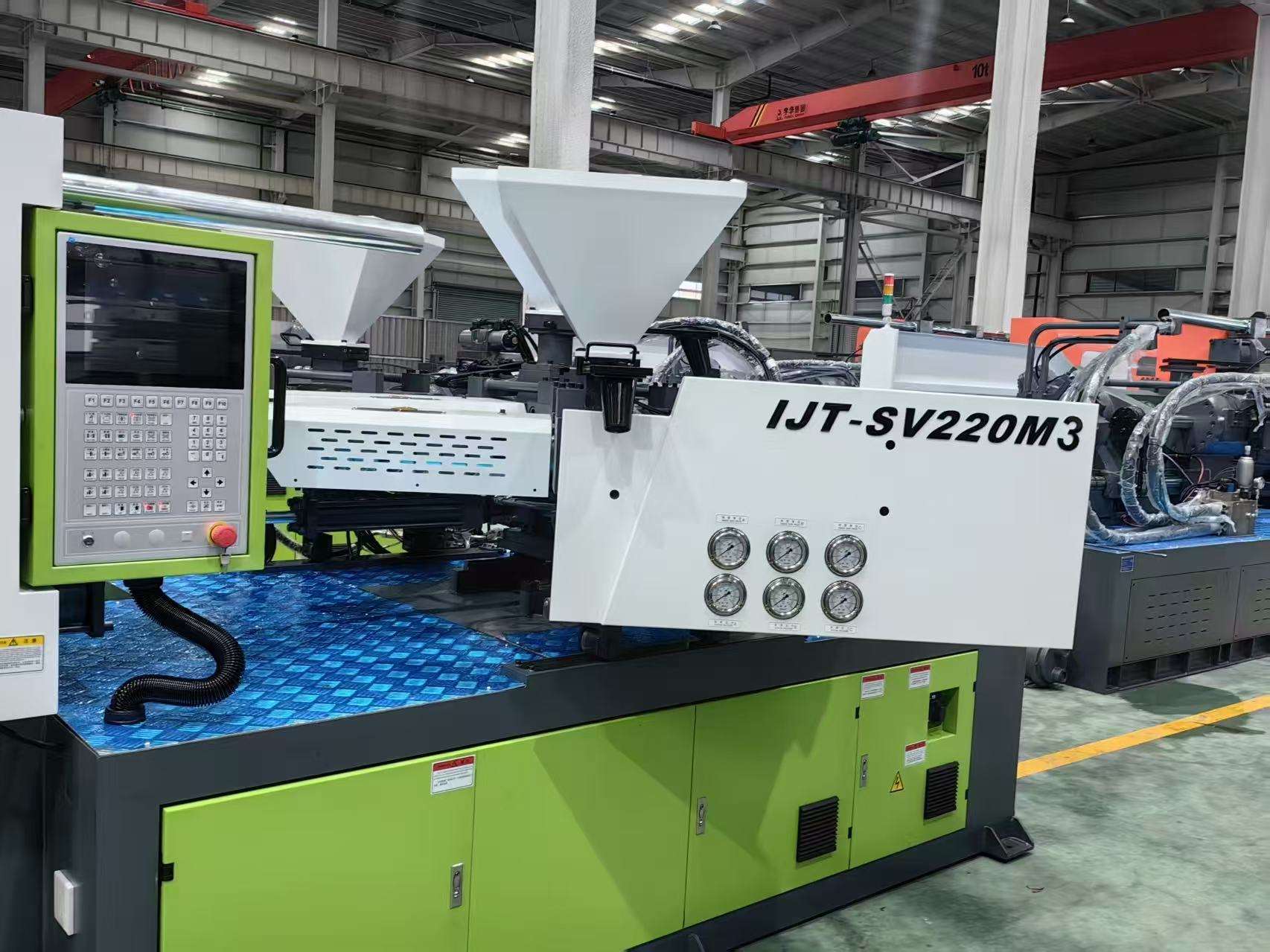
This is one of the most exciting areas for our clients. The ability to combine materials is called "multi-component" or "multi-material" injection molding. A three-shot machine can be used as a three-component machine. Instead of three different colors of the same material, you can use three completely different materials.
Combining Materials for Better Products
This process allows you to create integrated parts that are stronger, more functional, and cheaper to produce. You are building the final assembly right in the mold. In my experience, this is where we see the biggest competitive advantages for our customers.
Here are some common material combinations:
| Combination | Application | Benefit |
|---|---|---|
| PP + TPE | Tool handles, container lids | Combines a rigid structure (Polypropylene) with a soft, grippy, or sealing element (Thermoplastic Elastomer). |
| PC + ABS | Electronic housings | Combines the strength and heat resistance of Polycarbonate with the impact resistance and finish of ABS. |
| PMMA + ABS | Automotive lenses, displays | Combines the clear, scratch-resistant properties of PMMA (Acrylic) with a strong, opaque housing (ABS). |
Imagine making a waterproof electronic enclosure. With a multi-shot machine, you can mold the hard case (ABS) and then, in the same cycle, inject a soft, flexible gasket (TPE) directly into a channel on the case. The bond is perfect, the seal is integrated, and there is zero assembly labor. This is the kind of powerful solution we provide to our customers every day.
Conclusion
Three-color, three-shot, or 3K machines offer a powerful way to make complex parts in one step. They reduce costs, improve quality, and simplify your production line.