Ningbo High-Tech Zone, Zhejiang, China

Ningbo High-Tech Zone, Zhejiang, China
Explore GREENST servo-hydraulic injection molding machine models for general plastic production. Final model selection is based on the plastic part, resin, mold and required output.
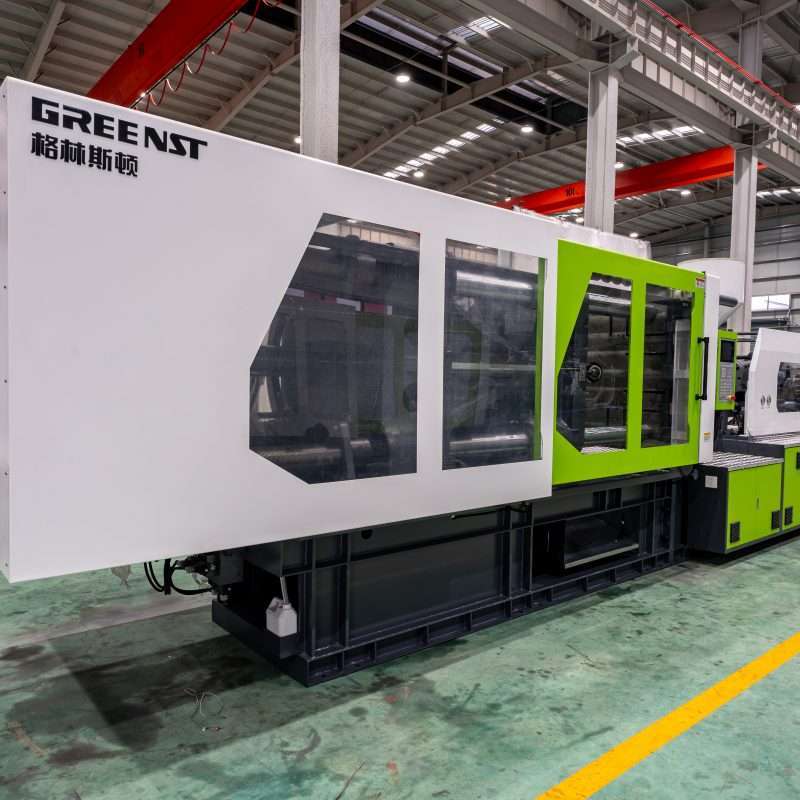
Servo-hydraulic machines are a practical starting point for many household, appliance, automotive, agricultural and industrial plastic parts. The correct model still depends on more than the requested tonnage.
GREENST reviews the injection unit, clamping unit, mold space and process requirements together before confirming a machine configuration.
01
Photo or drawing, size, weight and quality requirements.
02
Resin type, additives and recycled-material requirements.
03
Outside size, thickness, cavities, runner and ejection data.
04
Target cycle, hourly or daily quantity and work schedule.
Open an individual model to review the published product information. Model titles, images and specifications should be verified against the latest official technical file before final selection.
Showing 13–22 of 22 results
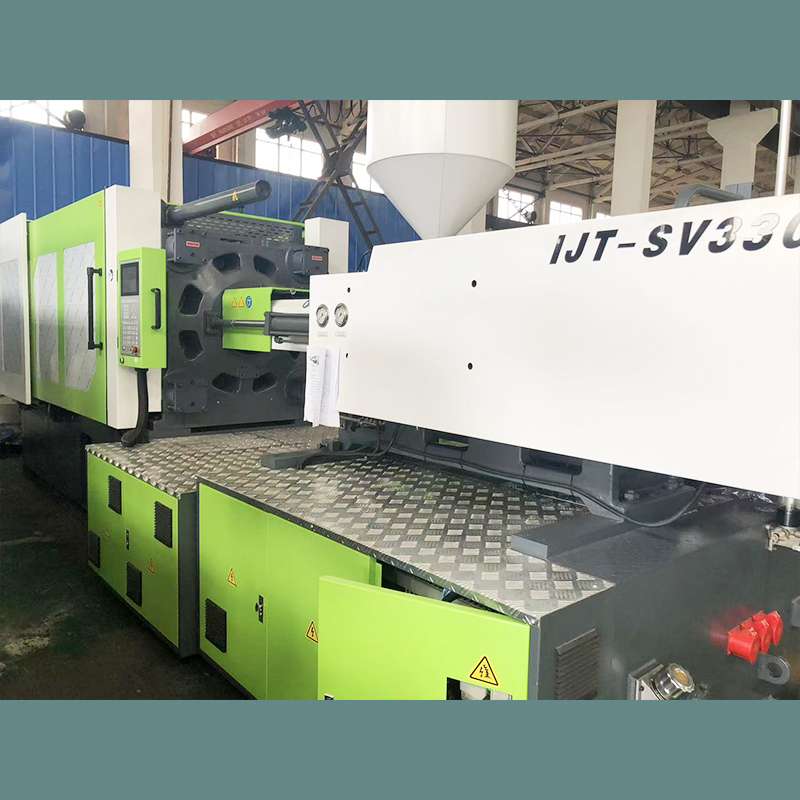
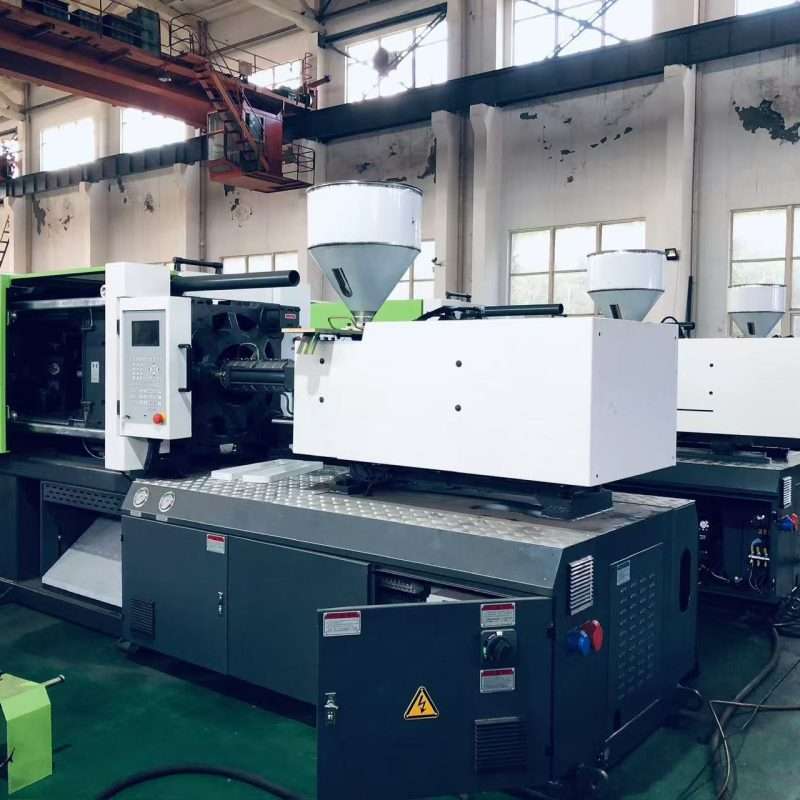
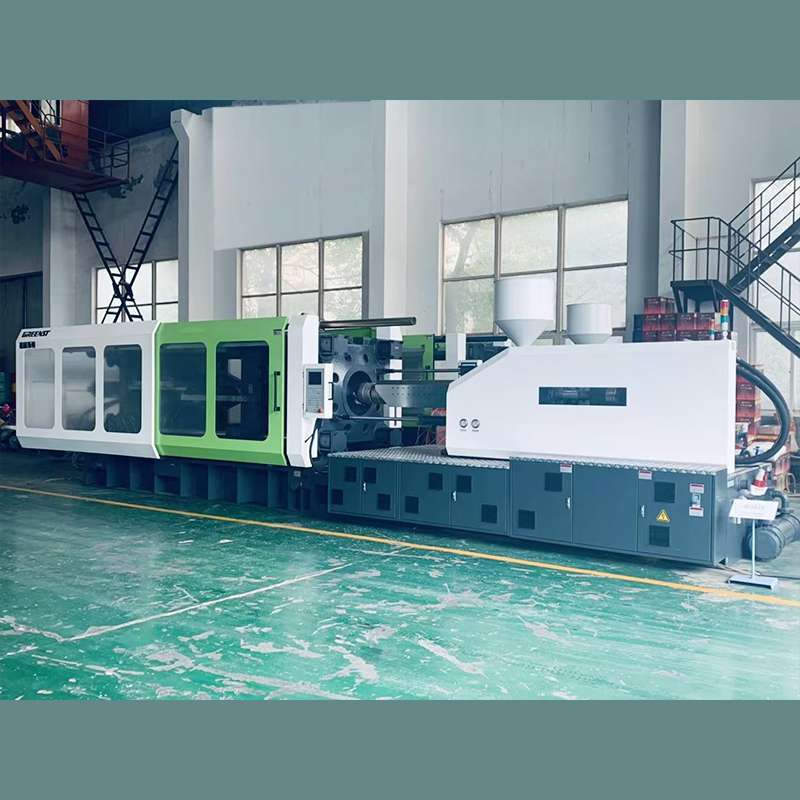
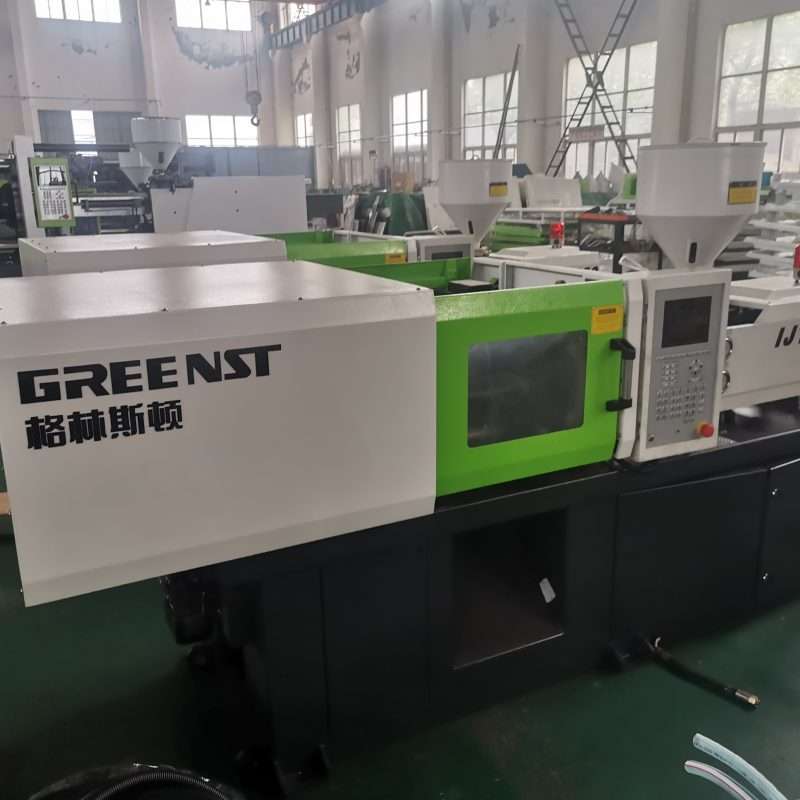
Use the product pages to compare the fields that affect the actual mold and production process, not only the nominal clamping force.
01
Clamping force, tie-bar spacing, platen size, opening stroke and mold thickness.
02
Screw selection, injection capacity, injection pressure and plasticizing requirements.
03
Mold dimensions, nozzle and locating details, ejector layout and core-pull needs.
04
Drying, loading, cooling, temperature control, robot and conveyor requirements.
These application groups help narrow the machine range. They do not replace product and mold calculations for the final model.
01
Daily-use plastic items, storage products and general household components.
02
Housings, covers, brackets and other molded electrical or appliance components.
03
Selected interior, exterior and functional plastic components after mold and process review.
04
Agricultural fittings, industrial components and other general plastic products.
Product claims should connect to real factory work. The following images document machine assembly, electrical checking and an actual mold test.
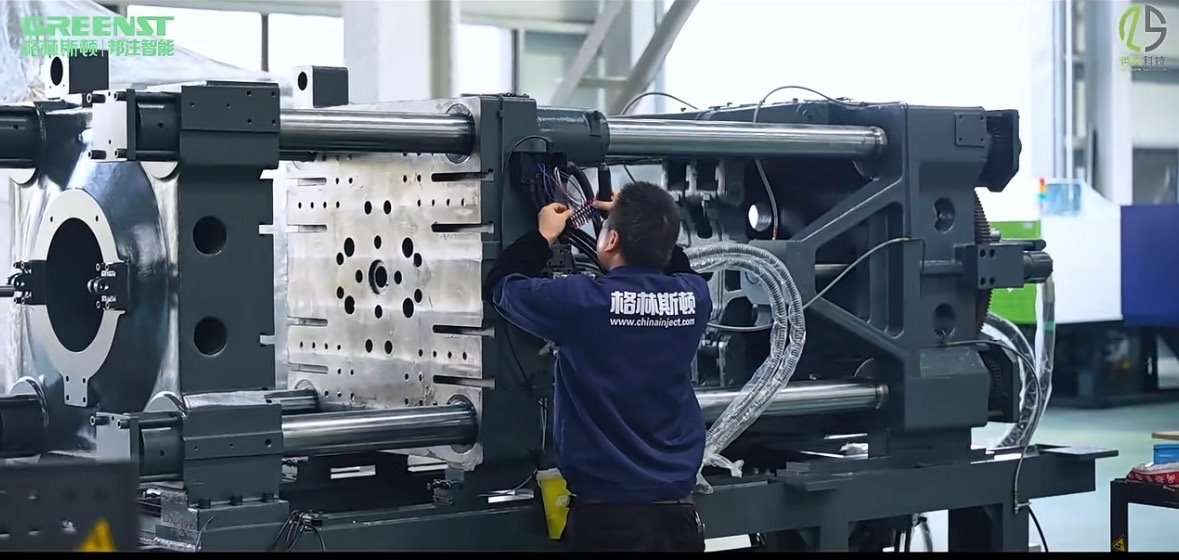
Lubrication piping is installed and checked during machine assembly.
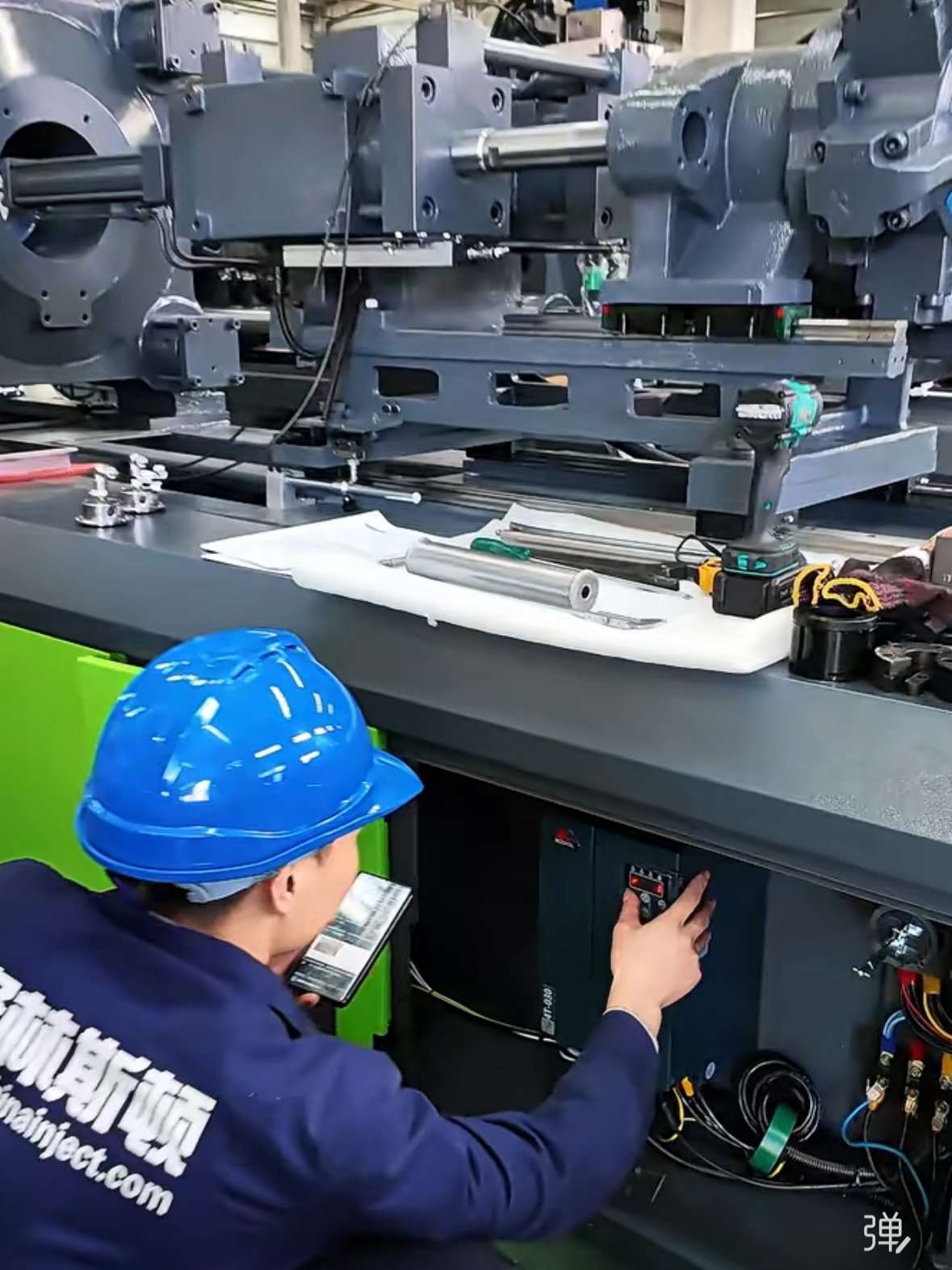
Electrical components and connections are checked before testing and delivery preparation.
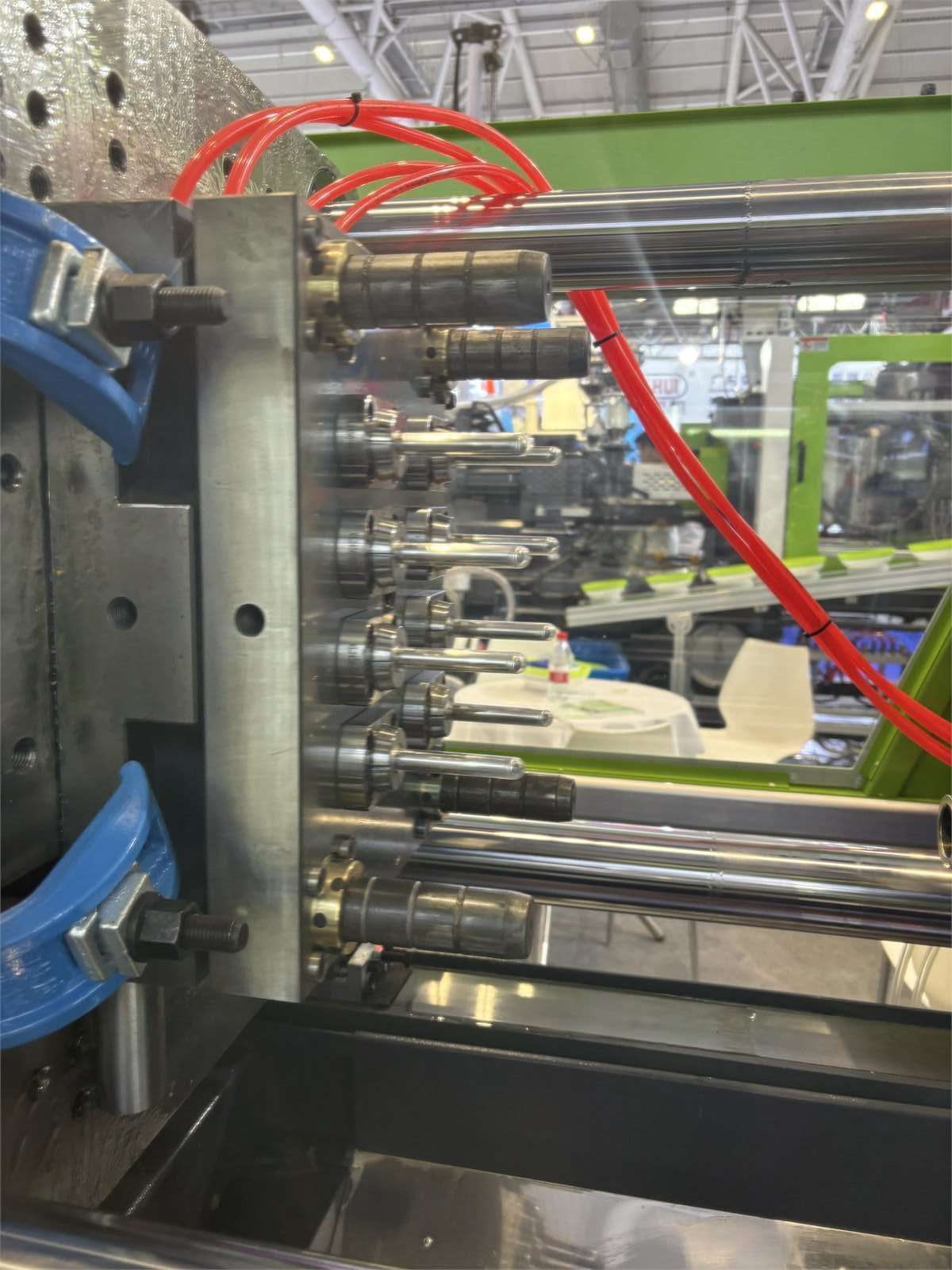
A real mold is installed and tested so the machine, mold and supporting conditions can be checked together.
Share the plastic part photo or drawing, dimensions, unit weight, resin, mold dimensions, cavity number and target output. These details are needed to check clamping force, injection capacity, mold space and the required supporting equipment.
No. Tonnage is only one part of selection. Injection capacity, tie-bar spacing, platen size, mold thickness, opening stroke, resin and production cycle must also match the actual product and mold.
Yes. Send the mold drawing or its outside dimensions, thickness, locating ring, nozzle radius, ejector requirement and cavity information so the machine interface can be reviewed.
Yes. Drying, loading, temperature control, cooling, robot, conveyor and other equipment can be reviewed according to the material, product, mold and expected production workflow.
Send the product photo or drawing, dimensions, weight, material, mold data and output target. If the project is new, send what is already available and we will identify the missing selection information.
WhatsApp us