Ningbo High-Tech Zone, Zhejiang, China

Ningbo High-Tech Zone, Zhejiang, China
Explore PET injection molding machine configurations for bottle preform production. Final machine selection is based on the preform, neck finish, PET resin, mold and required output.
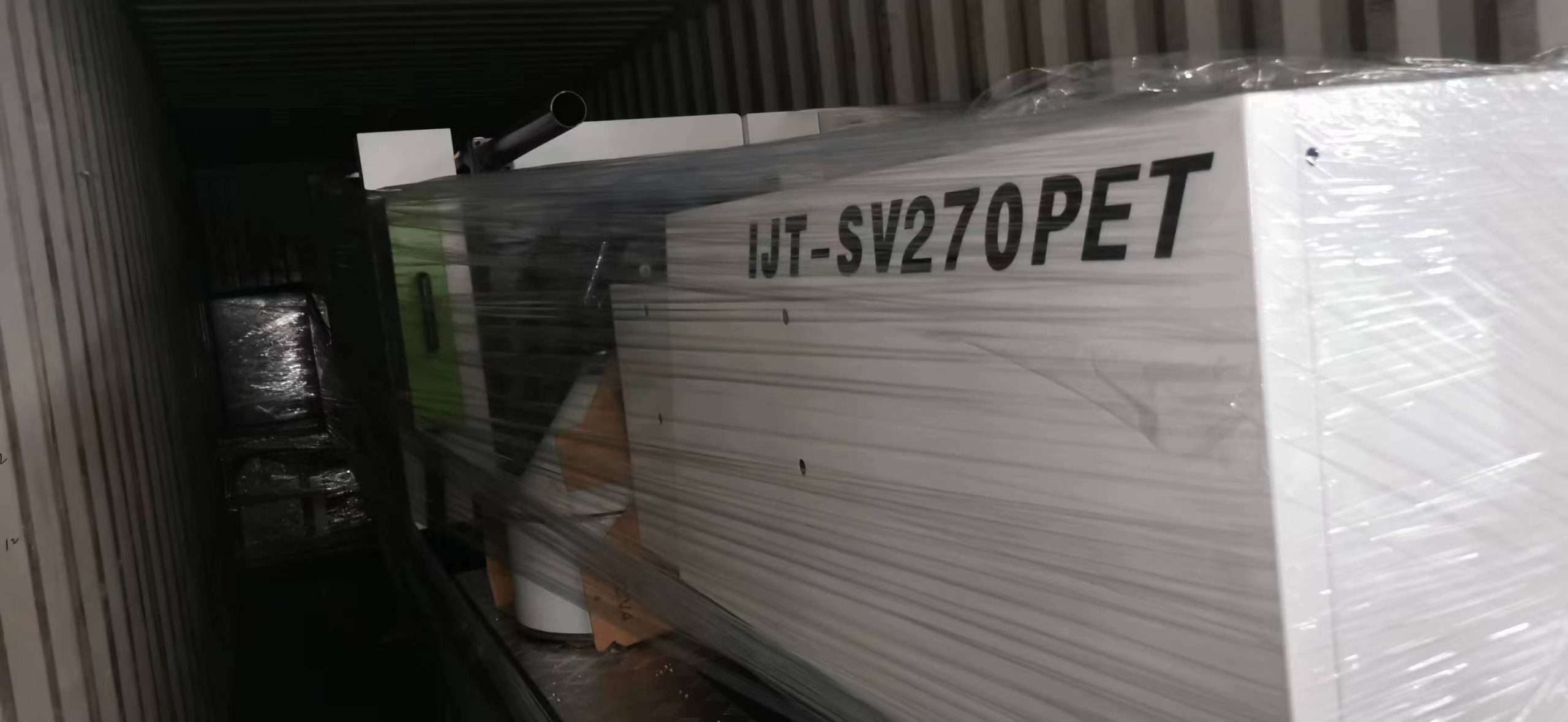
A PET preform machine is not selected by clamping tonnage alone. Shot requirement, plasticizing demand, mold space, cavities, cooling and the target cycle must be reviewed as one production task.
If the project is new, send the preform sample or drawing and the output target first. Missing technical fields can then be identified before a configuration is recommended.
01
Drawing or sample, unit weight and neck finish.
02
Resin grade and available material information.
03
Cavities, outside dimensions and runner details.
04
Target cycle and hourly or daily quantity.
05
Power, cooling-water and plant conditions.
06
Existing mold, new mold or complete project.
Open an individual product record to review the published information. The catalog includes different machine platforms and injection-unit configurations; it should not be read as 29 separate clamping-force models. Titles, images and parameters must be verified against the latest official technical file before final selection.
Showing 25–29 of 29 results
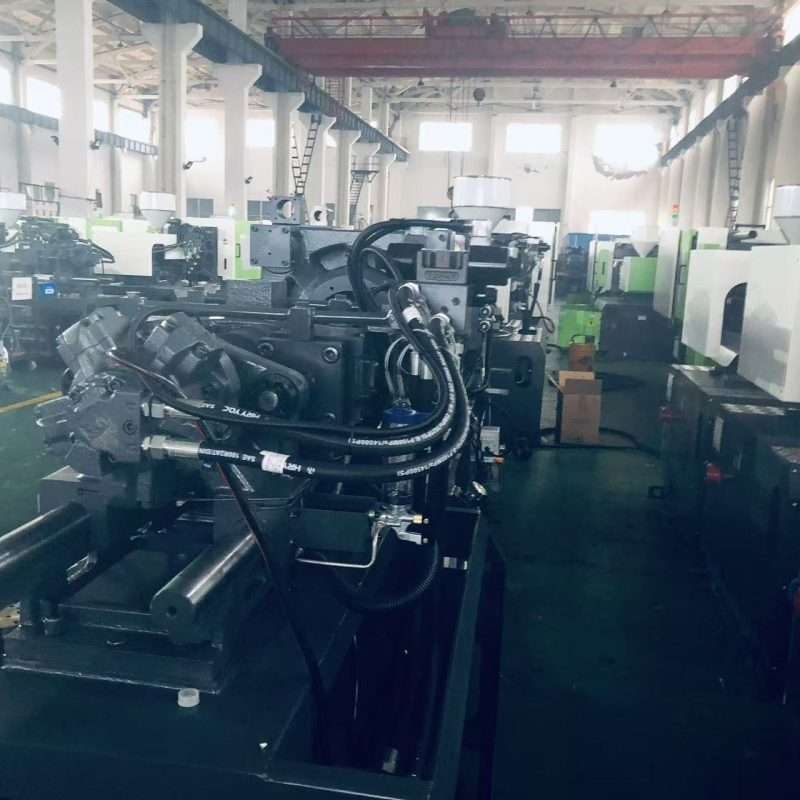
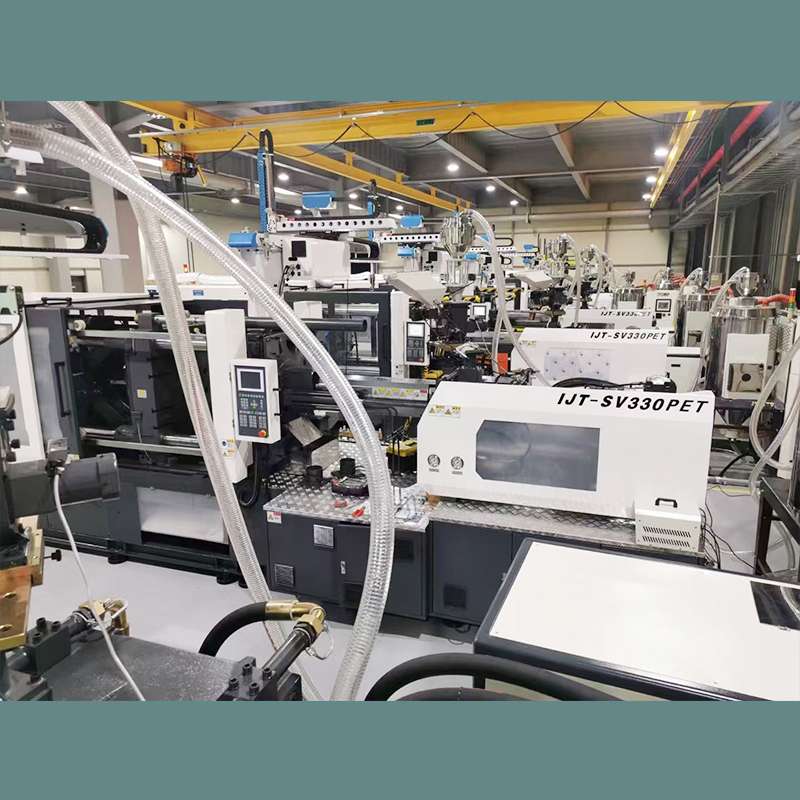
The machine platform determines the clamping and mold-space range. The injection-unit configuration must then match the required shot volume and plasticizing demand. Both are checked from the actual preform and mold.
01
Clamping force, tie-bar spacing, platen size, opening stroke and mold thickness.
02
Shot requirement, screw configuration, injection pressure and plasticizing demand.
03
Cavity number, mold dimensions, neck finish, runner and cooling layout.
04
Cycle, hourly output, operating schedule and available utilities.
A bottle preform injection machine works as part of a production system. Supporting equipment is matched after the resin consumption, mold, cycle and factory conditions are confirmed.
01
PET resin drying conditions must be reviewed for the selected material and process.
02
Material handling and dehumidification capacity must match expected resin consumption.
03
Chiller and cooling-water conditions are reviewed from mold demand and target cycle.
04
Loading, storage and the connection between resin handling and machine are planned together.
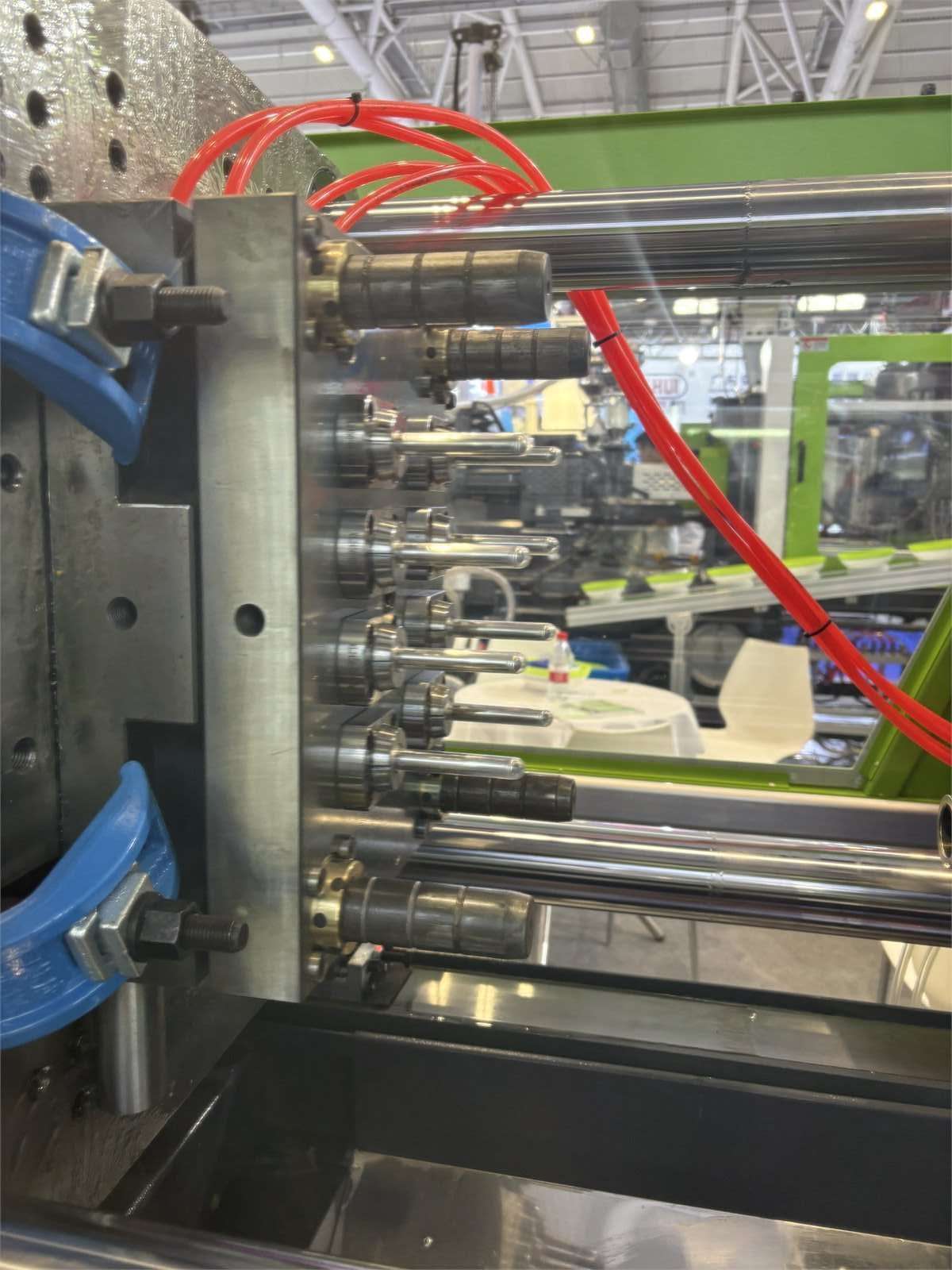
This real factory image records a 220T PET machine test with an eight-cavity PET preform mold. It is evidence of a specific test, not a universal configuration recommendation.
For a new project, the final machine, injection unit, mold, drying, dehumidification and cooling arrangement must be recalculated from that customer’s preform and output requirement.
Share the preform drawing or sample, preform weight, neck finish, PET resin, mold cavities and dimensions, target cycle or output, and available plant utilities. These details are needed before the machine and injection-unit configuration can be checked.
The same clamping platform may be paired with different injection-unit configurations for different shot-volume and plasticizing requirements. A configuration suffix should therefore be checked against the preform, mold and official technical data instead of being treated as a separate tonnage model.
PET resin preparation is part of the production system. The drying and dehumidification arrangement must be reviewed according to the resin, expected material consumption and process requirements. Cooling and water conditions must also match the mold and target cycle.
Yes. Mold cavities and dimensions, resin handling, loading, drying, dehumidification, cooling and other supporting equipment can be reviewed together with the machine. Final configuration is confirmed from the actual product and production target.
Send the preform drawing or sample, weight, neck finish, PET resin, mold cavities and dimensions, and target output. If the project is new, send what is already available and we will identify the missing selection information.
WhatsApp us